

New Antibiotic Restrictions Impact Livestock Producers and Pet Owners
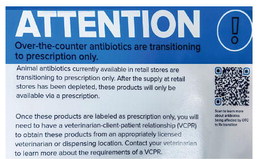
The Food and Drug Administration (FDA) has recently implanted mew regulations regarding the sale and use of antibiotics, significantly impacting livestock producers and pet owners in Madison County and beyond.
As of June, medically important antibiotics can only be obtained with a prescription from a licensed veterinarian as part of the FDA’s efforts to reduce antibiotic resistance and protect both animal and human health.
The FDA’s new act requires the establishment of a Veterinarian Client Patient Relationship (VCPR) for producers to purchase antibiotics directly from veterinarians or local distributors, such as feed stores.
A VCPR signifies a formal relationship between the client and the veterinarian, giving the veterinarian sole responsibility for making health-related decisions for the animal.
With a Veterinarian Directive Prescription (VDPO) and a valid VCPR, distributors are authorized to sell antibiotics to the client.
The days of freely purchasing antibiotics from a feed store without a prescription are gone. Farmers and ranchers are now restricted from buying commonly used antibiotics, such as penicillin, oxytetracyclines, sulfa-based antibiotics, tylosin, cephapirin, lincomycin, and gentamicin, without proper authorization.
However, pour-on and injectable wormers remain unaffected by these restrictions.
The impact of these regulations extends beyond livestock, as antibiotics for horses, goats, sheep, cats and dogs are also subject to the same requirement.
The antibiotics for these animals will now be labeled with a prominent “RX” sticker, indicating the need for a prescription.
Some feed stores have taken measures to mitigate the inconvenience by stockpiling antibiotics before implementing these regulations. Most antibiotics have a shelf life of at least two years, giving farmers and ranchers time to utilize their existing medication supplies.
According to Joey Smith, Standley Feed and Seed, a local supplier, is hopeful that their current inventory will last until around September.
Like obtaining prescription at a local pharmacy, clients will need to provide their feed store with a valid prescription and expiration date, which will be recorded in their system.
When the expiration date approaches, clients will need to renew their VCPR with their veterinarian.
While Standley Feed and Seed has made efforts to inform the community about these changes through signage and notices, there may still be individuals who are unaware of the new requirement and the importance of compliance.
